Page 1 of 1
Bone handle question...
Posted: Tue Jun 18, 2013 3:11 am
by arizonaranchman
Just received my very first GEC, a Northfield #55 and very happy with it. I have a couple questions ref the Autumn Gold bone handle if I may...
What type of bone is this?
What if any maintenance or care/precautions should I take to keep these bone handles in tip-top shape? This will be an EDC in my front pants pocket.
Thanks!
Re: Bone handle question...
Posted: Tue Jun 18, 2013 3:42 am
by jerryd6818
Welcome to AAPK and congratulations on your first GEC. They're fine knives.
The standard bone handles come from cows. IMO no special considerations required.
Re: Bone handle question...
Posted: Tue Jun 18, 2013 11:41 am
by Blademan13
Don't drop it and let you pocket do the polishing

Enjoy!
Re: Bone handle question...
Posted: Tue Jun 18, 2013 3:14 pm
by arizonaranchman
Sounds good, was just wondering if they "dry out" or shrink under certain circumstances. Sounds like they're pretty much carefree?
Yes, dropping is definitely NOT on my list of things to do with it

A wipe-down with mineral oil on the steel is about it?
Re: Bone handle question...
Posted: Thu Aug 01, 2013 2:06 am
by jon_slider
I contacted GEC to ask about their handle materials, they tell me they stabilize the bone they use, in house.
Stabilizing means soaking in Acrylic. Therefore, imho, GEC bone is basically impregnated with "plastic". It should not shrink, regardless whether you oil it or not.
There is one school of thought that thinks oiling UNstabilized bone is a bad idea. I also heard Charlie had one of his bone handled Charlows develop raised flakes, after he soaked it in boiling vinegar. It sanded out smooth.
I have also experimented with patina by wrapping one of my Charlows, the one with SoupBone handles, in a paper towel drenched in hot vinegar. In this photo I had used 1500 grit to highlight the long pull
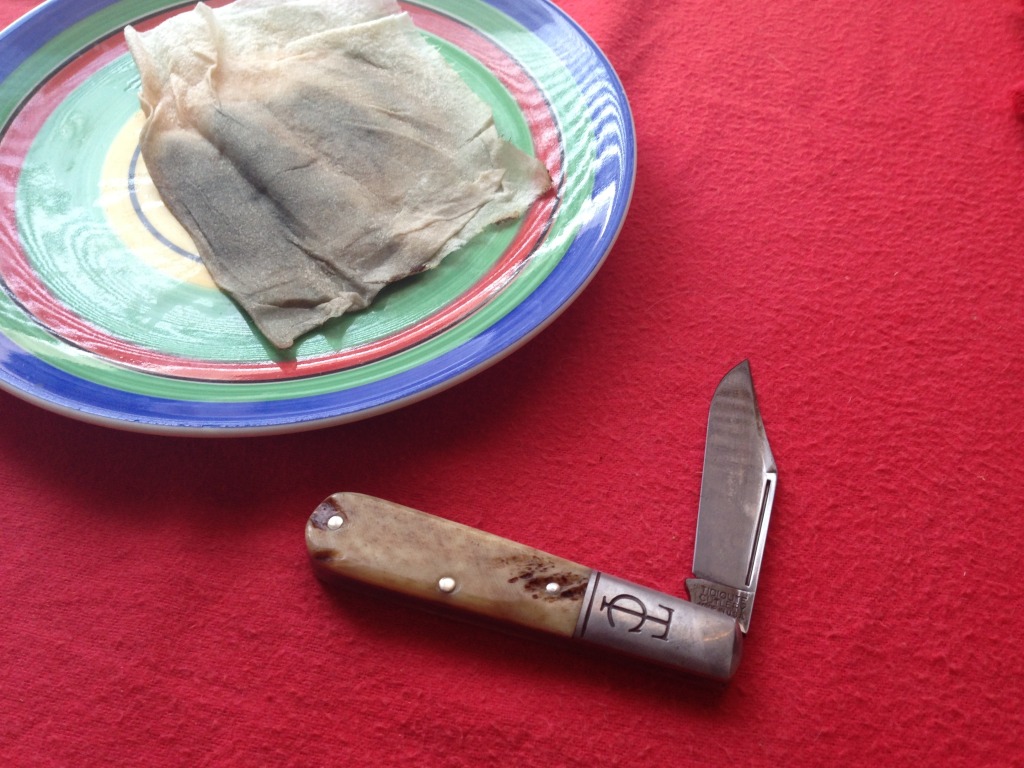
It did not raise any flakes, there was no damage of any kind, although the bolsters were also patinaed. I later sanded off all the blade patina with 1500 grit. (after this photo I also polished the bolster further)
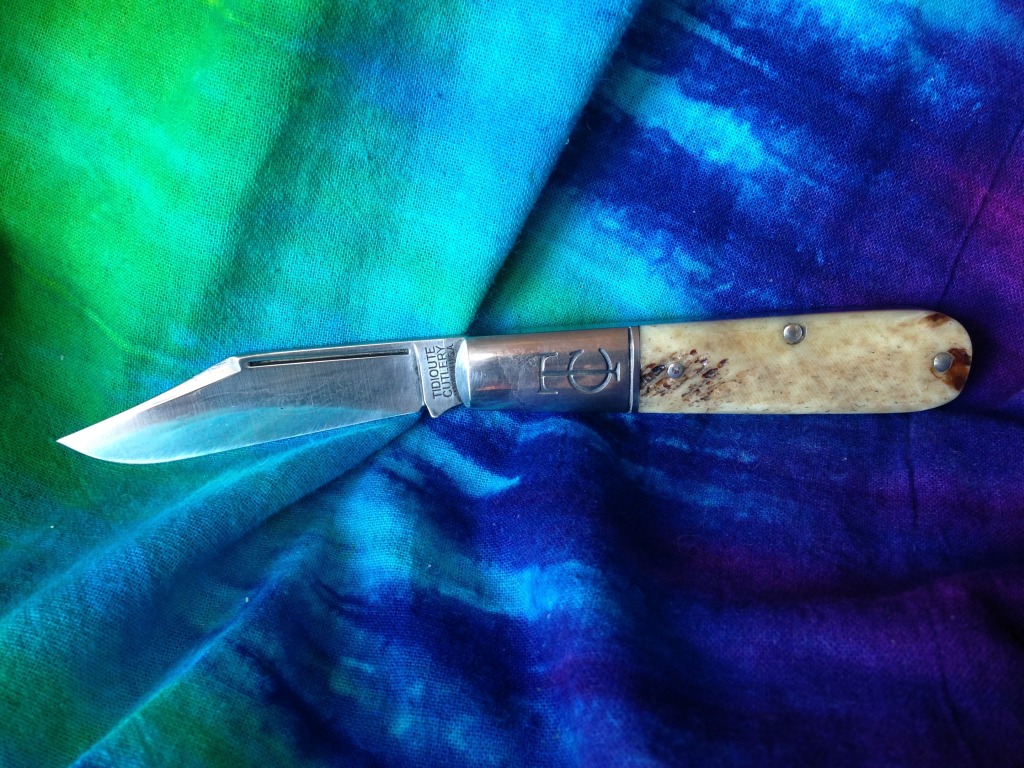
I have also soaked the knife in Mineral Oil, which caused no apparent damage. So imho, GEC bone handles dont need any treatment, but also will not be damaged, nor changed, by mineral oil.
Re: Bone handle question...
Posted: Thu Aug 01, 2013 2:18 am
by arizonaranchman
Wow thanks for looking into the matter with GEC and sharing this info. Good to know that these covers are treated and dont seem to require any special attention.
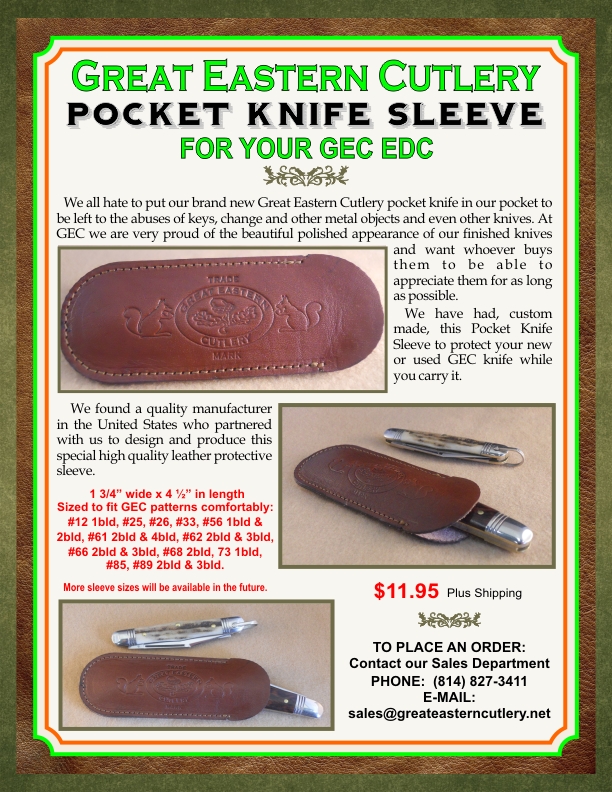
My #55 is being allowed to age naturally, so is taking on a patina from pocket carry. My Barlow is also pocket carried in it's leather sleeve and is showing no patina developement at this point - the leather sleeve makes a big difference. Perspiration from the pocket is what's developing all the patina on the #55. The sleeve seems to protect the Barlow very well
Re: Bone handle question...
Posted: Thu Aug 01, 2013 2:32 am
by jon_slider
Fun to share info, and pics. Please post some of your knives too if you can.
After experimenting with vinegar patina, I tried the natural approach with my ebony Charlow. Its patina is entirely from use, cutting steak, peaches, cheese, bread. I did not cut any citrus, nor did I use any vinegar.
The "earned" patina is similarly dark as the vinegar patina was on the soupbone Charlow, though not quite as even. And it developed very quickly, like within a week of use on those types of foods:
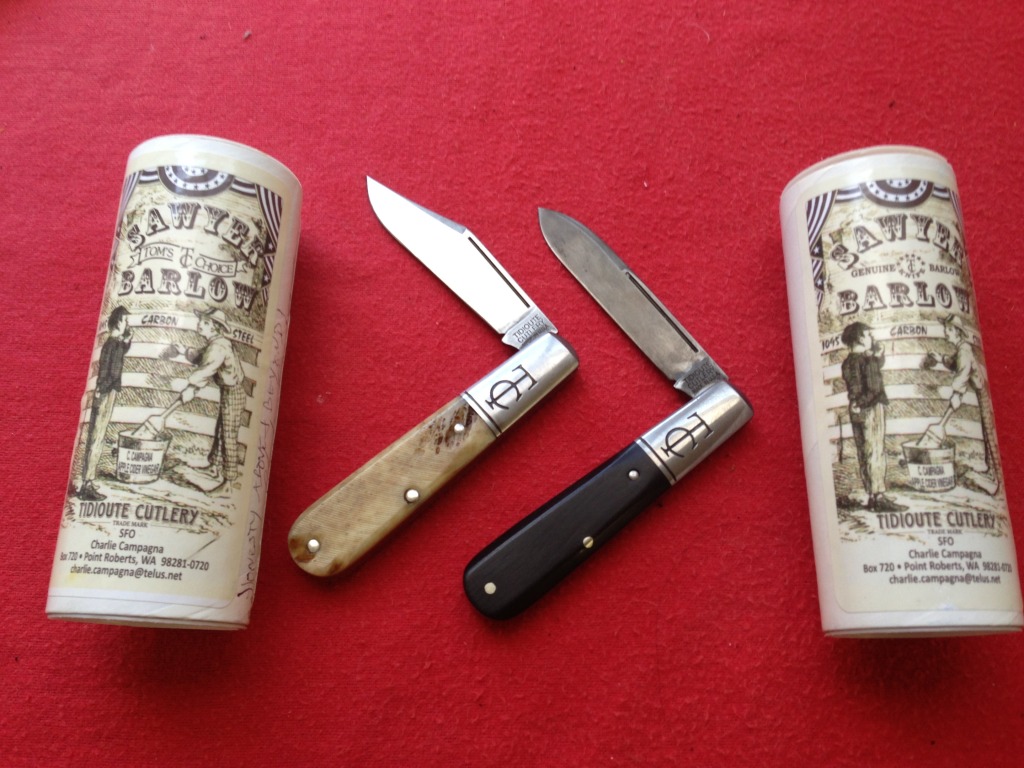
You can see the soupbone blade has stayed unpatinaed since I have not cut anything with it after the polishing.
Glad the pouch is being used and useful.
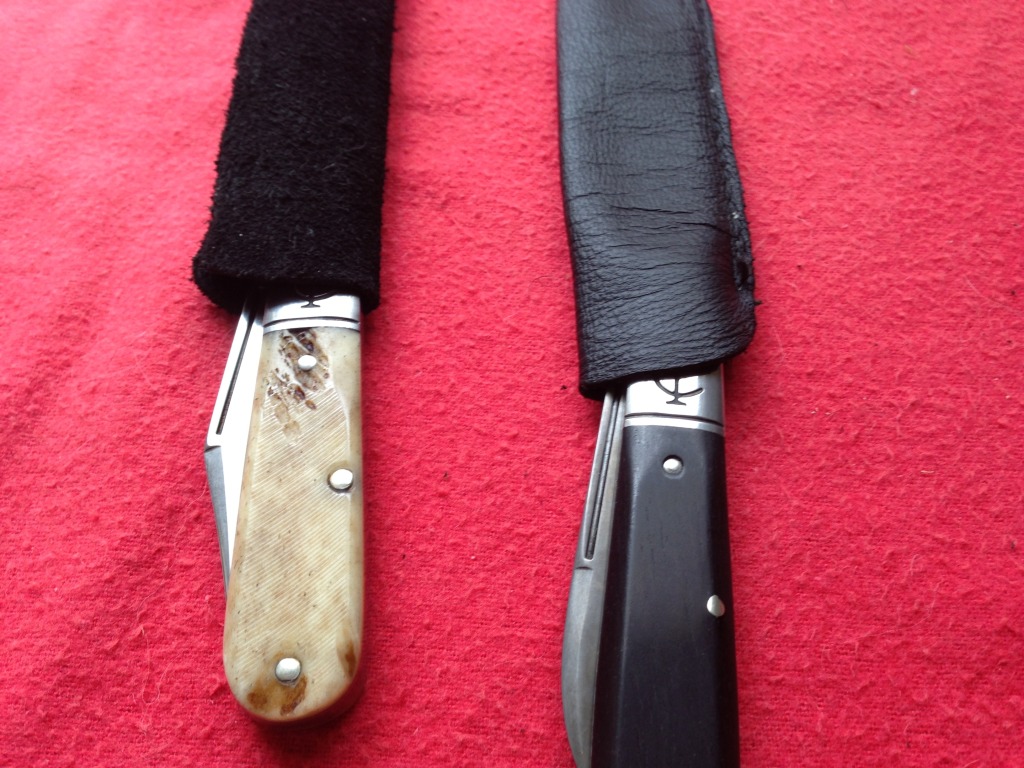
At some point GEC may have some of their embossed sleeves available as well.
Re: Bone handle question...
Posted: Thu Aug 01, 2013 3:20 am
by arizonaranchman
I called GEC this morning in fact to inquire about their leather sleeve cases. I was told they will be making them in-house and were working on getting them into production. She couldn't say when they would be available, but it would be as soon as they could get them into production.